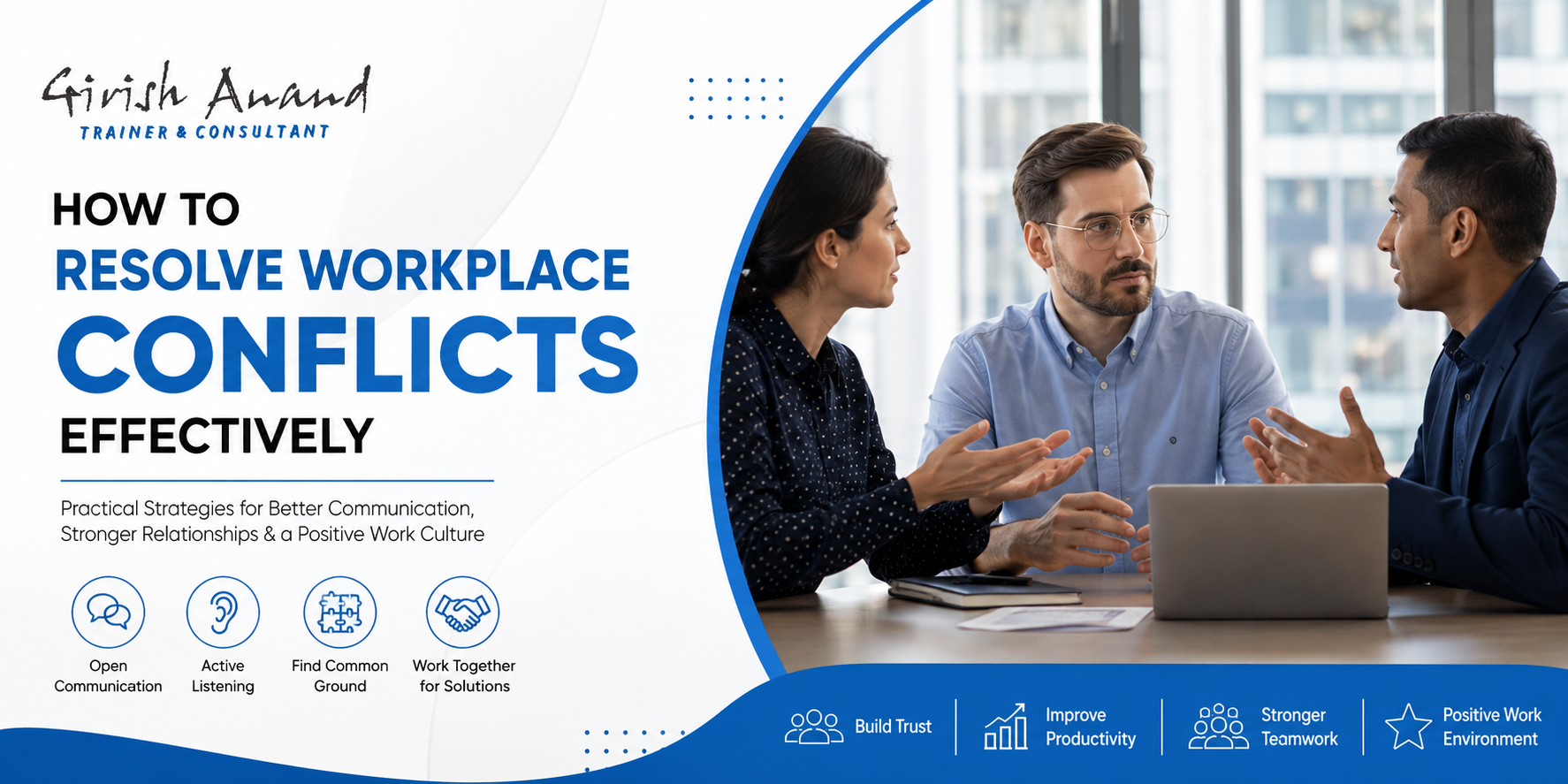
Workplace conflicts are inevitable. Whenever people with different personalities, work styles, goals, and opinions collaborate, disagreements are bound to happen. While conflict may seem negative at first, it doesn’t always have to damage relationships or productivity. In fact, when handled correctly, workplace conflicts can lead to stronger teamwork, better communication, and innovative problem-solving.
The key isn’t to avoid conflict altogether—it’s to manage it effectively. Whether you’re an employee, manager, or business owner, understanding how to resolve workplace conflicts professionally can create a healthier and more productive work environment.
What Causes Workplace Conflicts?
Conflicts at work often arise from misunderstandings rather than intentional disagreements. Identifying the root cause is the first step toward finding a lasting solution.
Some of the most common causes include:
- Poor communication
- Different work styles and personalities
- Unclear job roles and responsibilities
- Competition for resources or promotions
- Heavy workloads and stress
- Misaligned expectations
- Cultural or generational differences
Recognizing these triggers early helps prevent small issues from becoming major workplace disputes.
Why Conflict Resolution Matters
Ignoring workplace conflicts can reduce productivity, lower employee morale, and increase staff turnover. On the other hand, resolving disagreements respectfully creates a positive work culture where employees feel valued and heard.
Effective conflict resolution offers several benefits:
| Benefit | Impact |
| Better Communication | Encourages open and honest discussions |
| Higher Productivity | Reduces distractions caused by disputes |
| Stronger Teamwork | Builds trust among colleagues |
| Improved Employee Satisfaction | Creates a positive work environment |
| Better Decision-Making | Brings different viewpoints together constructively |
Organizations that promote healthy conflict resolution often experience stronger collaboration and better overall performance.
Effective Ways to Resolve Workplace Conflicts
1. Address the Issue Early
Many conflicts become more complicated because people avoid discussing them. Small misunderstandings can quickly grow into larger problems if left unresolved.
When an issue arises, address it as soon as possible. A calm conversation often prevents unnecessary tension and allows both parties to clarify misunderstandings before emotions escalate.
2. Practice Active Listening
One of the biggest mistakes during conflict is listening only to respond rather than to understand.
Give the other person your full attention. Allow them to explain their perspective without interruption. Ask thoughtful questions and repeat key points to confirm your understanding. When people feel heard, they are more willing to work toward a solution.
3. Focus on Facts Instead of Emotions
Workplace disagreements can become personal when emotions take over. Instead of making accusations or assumptions, focus on observable facts.
For example, rather than saying, “You never support my ideas,” try saying, “I noticed my suggestions weren’t discussed during the meeting. Can we talk about that?”
Using objective language keeps conversations productive and respectful.
4. Maintain Professional Communication
Even during disagreements, professionalism should remain a priority.
Remember these communication tips:
- Stay calm and respectful.
- Avoid blaming or criticizing.
- Use “I” statements instead of “You” statements.
- Be open to different opinions.
- Keep the discussion focused on solving the problem.
Professional communication reduces defensiveness and encourages cooperation.
5. Look for Common Goals
Most workplace conflicts occur between people who ultimately want the same thing—a successful project, satisfied customers, or company growth.
Instead of concentrating on differences, identify shared objectives. Once everyone understands the common goal, finding a compromise becomes much easier.
The Role of Managers in Conflict Resolution
Managers play a crucial role in creating a healthy workplace culture. Employees often look to leaders for guidance during difficult situations.
Effective managers should:
- Encourage open communication.
- Listen to both sides without bias.
- Remain neutral during discussions.
- Help employees develop practical solutions.
- Follow up after the conflict is resolved.
A supportive manager not only resolves conflicts but also prevents similar issues from happening again.
Conflict Resolution Strategies That Actually Work
Different situations require different approaches. Here are some of the most effective strategies:
| Strategy | Best Used When |
| Collaboration | Both parties seek a win-win solution |
| Compromise | Each side is willing to give something up |
| Accommodation | Preserving relationships is the priority |
| Mediation | A neutral third party is needed |
| Problem Solving | Root causes need to be addressed |
Choosing the right strategy depends on the nature of the disagreement and the people involved.
Common Mistakes to Avoid
Many workplace conflicts become worse because of avoidable mistakes.
Avoid these common errors:
- Ignoring the problem
- Gossiping about coworkers
- Reacting emotionally
- Making personal attacks
- Refusing to listen
- Holding grudges
- Avoiding accountability
Instead, approach every disagreement with respect, empathy, and a willingness to find a solution.
Building a Conflict-Free Workplace
While no workplace can eliminate conflict entirely, organizations can significantly reduce unnecessary disputes by creating a positive culture.
Some practical ways include:
- Encouraging transparent communication
- Clearly defining job responsibilities
- Providing conflict resolution training
- Recognizing employee achievements
- Promoting teamwork and collaboration
- Offering regular feedback sessions
- Creating safe channels for employees to voice concerns
A workplace built on trust and mutual respect naturally experiences fewer conflicts.
Final Thoughts
Conflict is a normal part of every workplace, but it doesn’t have to damage relationships or productivity. When employees communicate openly, listen actively, and focus on solutions instead of blame, disagreements become opportunities for learning and growth.
Organizations that invest in healthy conflict resolution create stronger teams, improve employee satisfaction, and foster a culture of respect. Whether you’re handling a minor misunderstanding or a major disagreement, the principles remain the same: stay professional, listen carefully, and work together toward a shared solution. By developing strong conflict resolution skills, both individuals and businesses can build a more collaborative, positive, and successful workplace.
Frequently Asked Questions
1. What is workplace conflict?
Workplace conflict is a disagreement or dispute between employees, teams, or managers caused by differences in opinions, communication styles, goals, or expectations.
2. What is the best way to resolve workplace conflicts?
The most effective approach is to communicate openly, listen actively, stay respectful, focus on facts, and work together to find a mutually beneficial solution.
3. Why is conflict resolution important in the workplace?
Effective conflict resolution improves teamwork, boosts employee morale, increases productivity, and creates a healthier work environment.
4. How can managers prevent workplace conflicts?
Managers can prevent conflicts by encouraging open communication, setting clear expectations, providing regular feedback, and addressing issues before they escalate.
5. Can workplace conflict have positive outcomes?
Yes. When managed professionally, conflict can improve communication, strengthen relationships, encourage innovation, and lead to better decision-making.