Every organisation wants employees who are dedicated, productive and committed to achieving business goals. High-performing employees often play an important role in driving growth, supporting teams and maintaining work quality. However, even the most motivated employees can gradually lose interest in their work.
An employee who once showed enthusiasm, regularly shared ideas and consistently delivered excellent results may suddenly become less involved. They might stop taking initiative, avoid additional responsibilities or simply do what is expected of them.
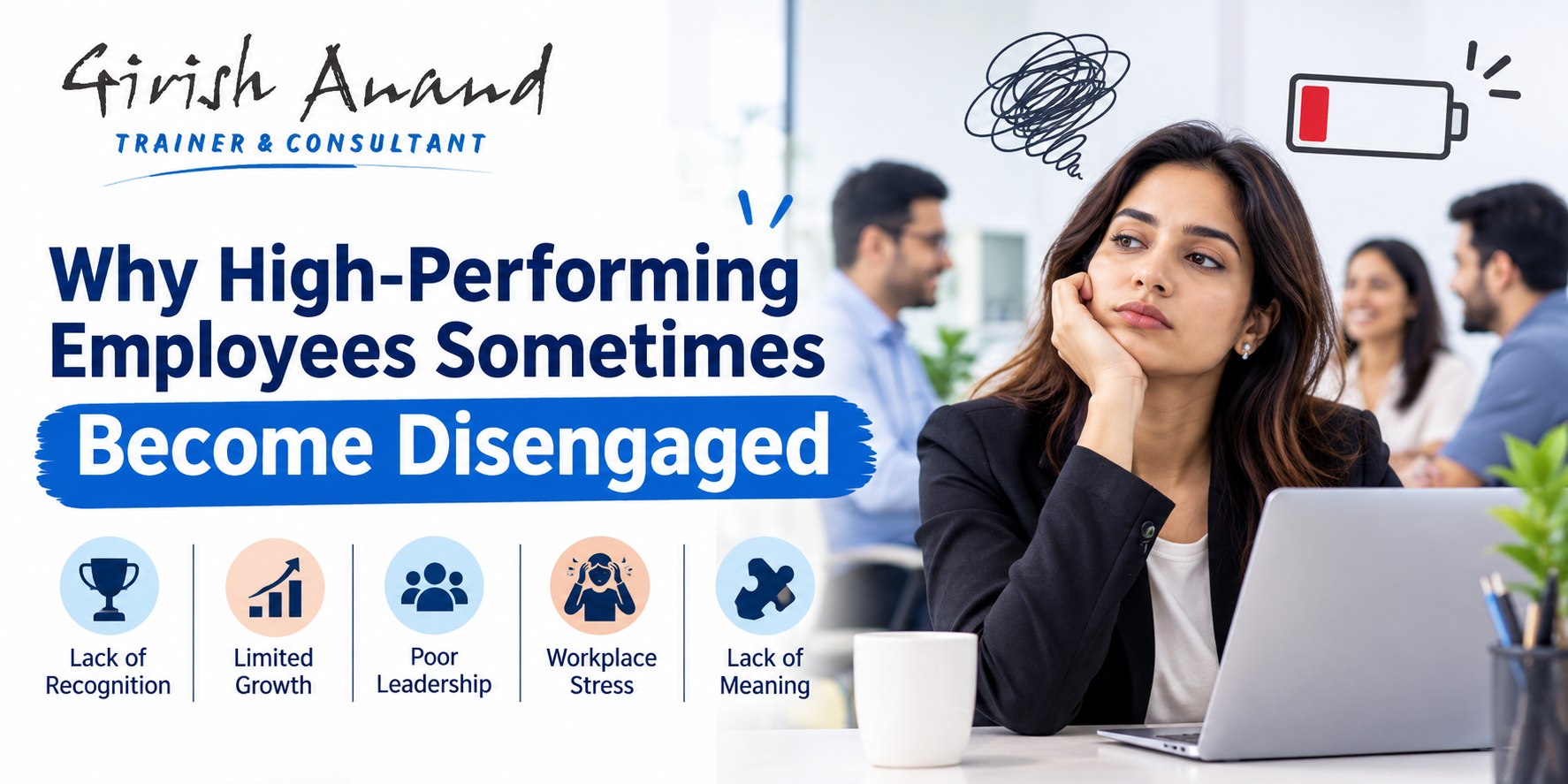
This change is not always related to a lack of ability or commitment. In many cases, workplace culture, management practices, limited growth opportunities and a lack of recognition contribute to employee disengagement.
Understanding why high-performing employees become disengaged is essential for organisations that want to retain talent and build productive teams.
1. Lack of Recognition and Appreciation
High-performing employees often put extra effort into their responsibilities. They solve problems, meet deadlines and contribute beyond their assigned tasks. However, when their efforts go unnoticed, they may begin to feel undervalued.
Recognition does not always have to involve financial rewards or promotions. A simple appreciation message, constructive feedback or acknowledgement during a team meeting can make employees feel that their contributions matter.
When organisations consistently overlook good performance, employees may gradually stop putting in extra effort.
2. Limited Career Growth Opportunities
Ambitious employees usually want to learn new skills, take on challenging responsibilities and progress professionally. When they feel that their career has reached a standstill, their motivation can decline.
For example, an employee who has been performing well for several years may become frustrated if there is no clear opportunity for promotion, leadership responsibilities or professional development.
Organisations should discuss career goals with employees, identify their strengths and provide opportunities that support long-term growth.
3. Poor Leadership and Management Practices
Leadership has a direct influence on employee motivation and workplace satisfaction. Even talented employees can become disengaged when they work under managers who micromanage, communicate poorly or fail to trust their teams.
Constant monitoring, unnecessary interference and a lack of decision-making freedom can make capable employees feel that their skills are not valued.
Effective leaders understand when to guide and when to give employees the independence to perform. Building trust, encouraging open communication and providing constructive feedback can help maintain employee engagement.
4. Excessive Workload and Employee Burnout
High-performing employees are often given additional responsibilities because managers trust their ability to deliver results. Although this reflects confidence in their skills, continuously increasing their workload can create pressure.
When employees are expected to handle multiple responsibilities without sufficient support, they may experience stress, exhaustion and reduced motivation.
Over time, even dedicated professionals may start distancing themselves from work to protect their personal well-being.
Managers should distribute responsibilities fairly, set realistic expectations and encourage a healthy work-life balance.
5. Lack of Meaningful Work and New Challenges
Employees who regularly perform the same tasks without learning anything new may eventually lose interest.
High performers often enjoy solving problems, exploring ideas and contributing to important decisions. When their responsibilities become repetitive, they may feel that their potential is not being fully utilised.
Giving employees opportunities to lead projects, participate in strategic discussions and explore new responsibilities can bring back their enthusiasm.
6. A Negative Workplace Environment
Workplace culture plays an important role in determining how employees feel about their jobs.
Frequent conflicts, office politics, favouritism, poor communication and a lack of teamwork can create an uncomfortable working environment.
Even employees who genuinely enjoy their work may lose motivation when they constantly deal with unnecessary workplace stress.
Organisations should encourage mutual respect, transparent communication and collaboration to create an environment where employees feel comfortable sharing ideas and concerns.
7. Lack of Involvement in Decision-Making
High-performing employees often have valuable knowledge and practical experience. However, when managers consistently make decisions without considering their suggestions, employees may feel disconnected from the organisation.
When people believe their opinions do not matter, they become less interested in contributing beyond their basic responsibilities.
Involving employees in relevant discussions, encouraging feedback and considering their ideas can strengthen their sense of ownership and belonging.
How Can Organisations Prevent Employee Disengagement?
Preventing employee disengagement requires more than occasional motivational activities. Organisations need to understand employee expectations and create an environment that supports professional and personal growth.
Here are some practical ways to improve employee engagement:
- Recognise employee contributions: Appreciate consistent efforts and acknowledge achievements.
- Provide learning opportunities: Introduce professional development and skill-building programmes.
- Encourage open communication: Create opportunities for employees to discuss challenges and share feedback.
- Support career development: Help employees understand their growth opportunities within the organisation.
- Promote healthy leadership: Train managers to build trust, communicate effectively and support their teams.
- Maintain a balanced workload: Ensure employees have realistic responsibilities and sufficient support.
- Build an inclusive culture: Encourage teamwork, respect and participation across different levels of the organisation.
Regular employee feedback sessions can also help managers identify early signs of disengagement before they affect performance and retention.
The Role of Leadership in Building Employee Engagement
Employee engagement is not solely the responsibility of the HR department. Leaders and managers play an equally important role in shaping employee experiences.
A good leader understands that every employee has different motivations, expectations and professional goals. Some people value career advancement, while others look for meaningful responsibilities, recognition or a supportive working environment.
Leadership development and corporate training can help managers understand these differences and develop the skills required to manage people effectively.
Organisations that invest in better leadership practices are more likely to create an environment where employees feel respected, motivated and connected to business goals.
Conclusion
High-performing employees do not become disengaged overnight. It often happens gradually when their efforts go unrecognised, career growth becomes limited or workplace challenges remain unresolved.
Organisations must look beyond performance numbers and understand what employees need to remain motivated. Recognising contributions, providing growth opportunities, encouraging communication and developing effective leaders can make a meaningful difference.
Ultimately, retaining talented employees is not just about offering better compensation. It is about creating a workplace where people feel valued, trusted and motivated to contribute their best.
When organisations invest in their people, they build stronger teams and create a foundation for sustainable business growth.