Leadership plays a crucial role in determining the success of any organization. In today’s competitive and rapidly evolving business environment, organizations need leaders who can do more than simply manage people and processes. Modern leaders are expected to inspire innovation, foster collaboration, drive performance, and create a positive workplace culture.
The rise of digital transformation, remote work, and changing employee expectations has significantly reshaped the way leadership is perceived. Employees today look for leaders who can guide them with clarity, support their professional growth, and help them navigate challenges with confidence.
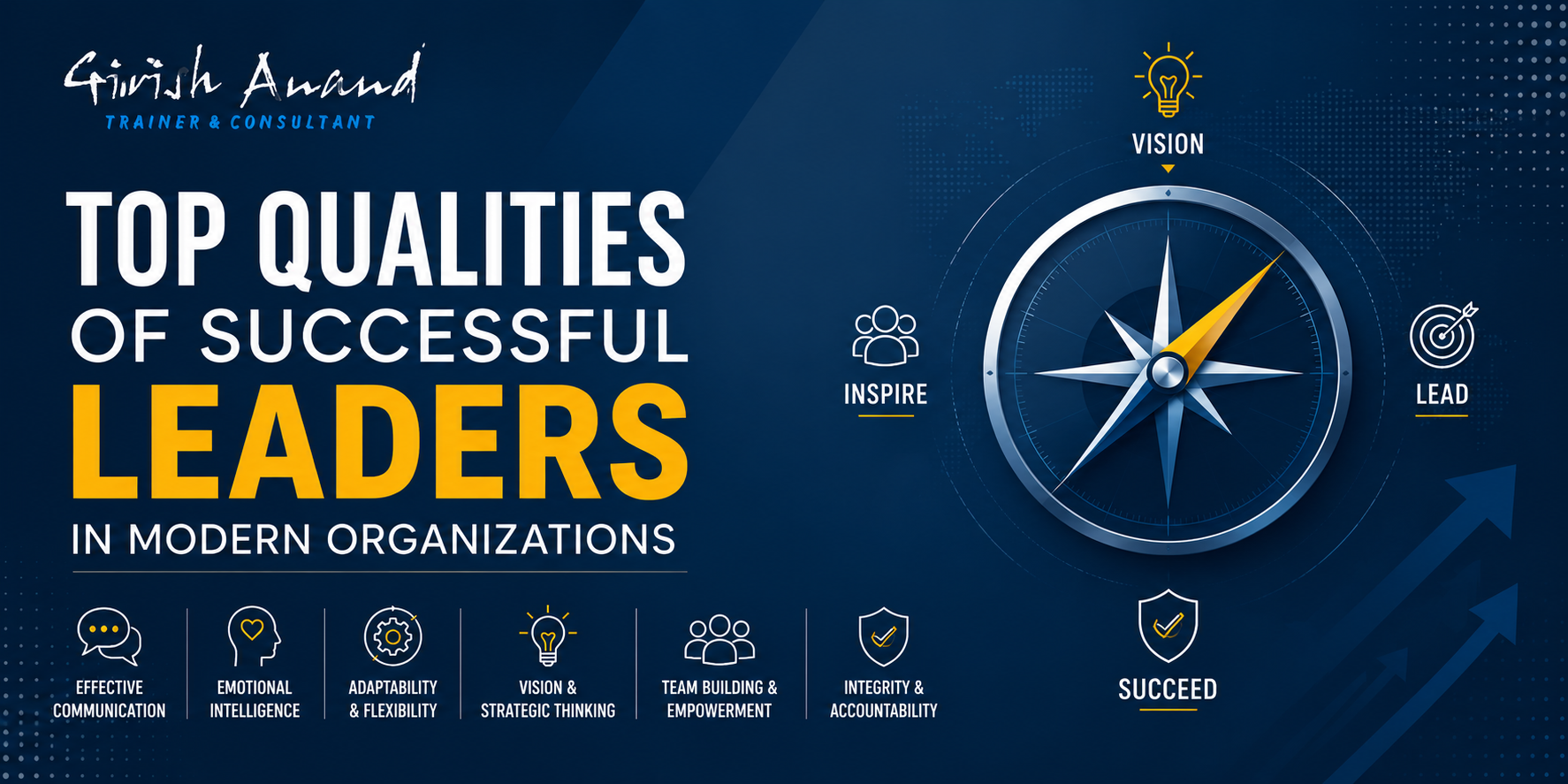
Successful leaders are not defined by their position or authority alone. Instead, they are recognized for the qualities they demonstrate through their actions, decisions, and interactions with others. From effective communication and emotional intelligence to adaptability and strategic thinking, these qualities enable leaders to build strong teams and achieve sustainable organizational growth.
In this article, we explore the top qualities that distinguish successful leaders in modern organizations and why these traits are essential for long-term success.
1. Strong Communication Skills
One of the most important qualities of successful leaders is the ability to communicate clearly and effectively. Great leaders ensure that their vision, goals, and expectations are understood by everyone in the organization.
Effective communication includes:
- Active listening
- Providing constructive feedback
- Sharing information transparently
- Encouraging open discussions
When employees feel heard and informed, they become more engaged and motivated to contribute to organizational success.
2. Emotional Intelligence
Emotional intelligence (EQ) has become a critical leadership skill in modern workplaces. Leaders with high emotional intelligence understand their own emotions and can effectively manage relationships with others.
Key aspects of emotional intelligence include:
- Self-awareness
- Empathy
- Self-regulation
- Social skills
- Motivation
Leaders who demonstrate empathy and emotional understanding often build stronger relationships with employees and create a healthier work environment.
3. Adaptability and Flexibility
The business landscape is constantly changing due to technological advancements, market shifts, and global challenges. Successful leaders embrace change rather than resist it.
Adaptable leaders:
- Quickly respond to new situations
- Encourage innovation
- Remain calm during uncertainty
- Help teams navigate transitions
Organizations thrive when leaders can adjust their strategies while keeping employees focused and motivated.
4. Vision and Strategic Thinking
A successful leader has a clear vision for the future and the ability to create strategies that turn goals into reality.
Strategic leaders:
- Analyze trends and opportunities
- Anticipate challenges
- Make informed decisions
- Align team efforts with organizational objectives
When leaders communicate a compelling vision, employees gain a sense of purpose and direction.
5. Integrity and Honesty
Trust is the foundation of effective leadership. Employees are more likely to follow leaders who demonstrate honesty, transparency, and ethical behavior.
Leaders with integrity:
- Keep their promises
- Take responsibility for their actions
- Make fair decisions
- Uphold organizational values
A culture of trust improves collaboration, employee satisfaction, and long-term business success.
6. Decision-Making Ability
Leaders are often required to make difficult decisions under pressure. Successful leaders gather relevant information, evaluate options, and make confident choices.
Strong decision-makers:
- Consider both short-term and long-term impacts
- Seek expert opinions when necessary
- Take calculated risks
- Learn from mistakes
Timely and effective decision-making helps organizations remain competitive and agile.
7. Accountability
Great leaders lead by example. They accept responsibility for their actions and encourage accountability throughout the organization.
Accountable leaders:
- Set clear expectations
- Measure performance fairly
- Own both successes and failures
- Encourage continuous improvement
This approach builds credibility and fosters a culture of responsibility among team members.
8. Ability to Inspire and Motivate
Leadership is not just about directing people; it is about inspiring them to achieve their best.
Motivational leaders:
- Recognize employee achievements
- Encourage personal growth
- Create a positive work environment
- Help employees connect their work to larger goals
Inspired employees tend to be more productive, creative, and committed to organizational success.
9. Problem-Solving Skills
Challenges are inevitable in any organization. Effective leaders approach problems with a solution-oriented mindset.
Successful problem-solvers:
- Analyze situations objectively
- Encourage team collaboration
- Explore innovative solutions
- Remain calm under pressure
Their ability to resolve issues efficiently helps organizations maintain momentum and achieve goals.
10. Commitment to Continuous Learning
The best leaders understand that learning never stops. They actively seek opportunities to improve their skills, expand their knowledge, and stay updated with industry trends.
Continuous learners:
- Attend training programs
- Read industry publications
- Seek mentorship
- Encourage learning within their teams
Organizations led by lifelong learners are often more innovative and adaptable.
11. Team-Building Skills
Modern organizations rely heavily on collaboration. Successful leaders know how to build and nurture high-performing teams.
Effective team builders:
- Value diversity
- Promote collaboration
- Resolve conflicts constructively
- Create an inclusive environment
Strong teams are better equipped to achieve organizational objectives and overcome challenges.
12. Resilience
Every leader faces setbacks and obstacles. Resilience enables leaders to recover from difficulties and continue moving forward.
Resilient leaders:
- Stay focused during adversity
- Maintain a positive attitude
- Learn from failures
- Encourage perseverance among team members
Their determination inspires confidence and stability within the organization.
Why These Leadership Qualities Matter Today
Modern workplaces are evolving rapidly. Remote work, digital transformation, changing employee expectations, and increased competition require leaders to possess a broad range of skills beyond traditional management abilities.
Organizations with effective leaders often experience:
- Higher employee engagement
- Improved productivity
- Better customer satisfaction
- Lower employee turnover
- Stronger organizational culture
- Sustainable business growth
By developing these qualities, leaders can create environments where both employees and businesses thrive.
Conclusion
The qualities of successful leaders in modern organizations extend far beyond authority and technical expertise. Today’s leaders must communicate effectively, demonstrate emotional intelligence, adapt to change, make strategic decisions, and inspire their teams to perform at their highest potential.
Leadership is a continuous journey of growth and learning. By cultivating these essential qualities, professionals can become more effective leaders, drive organizational success, and make a lasting impact on the people they lead.