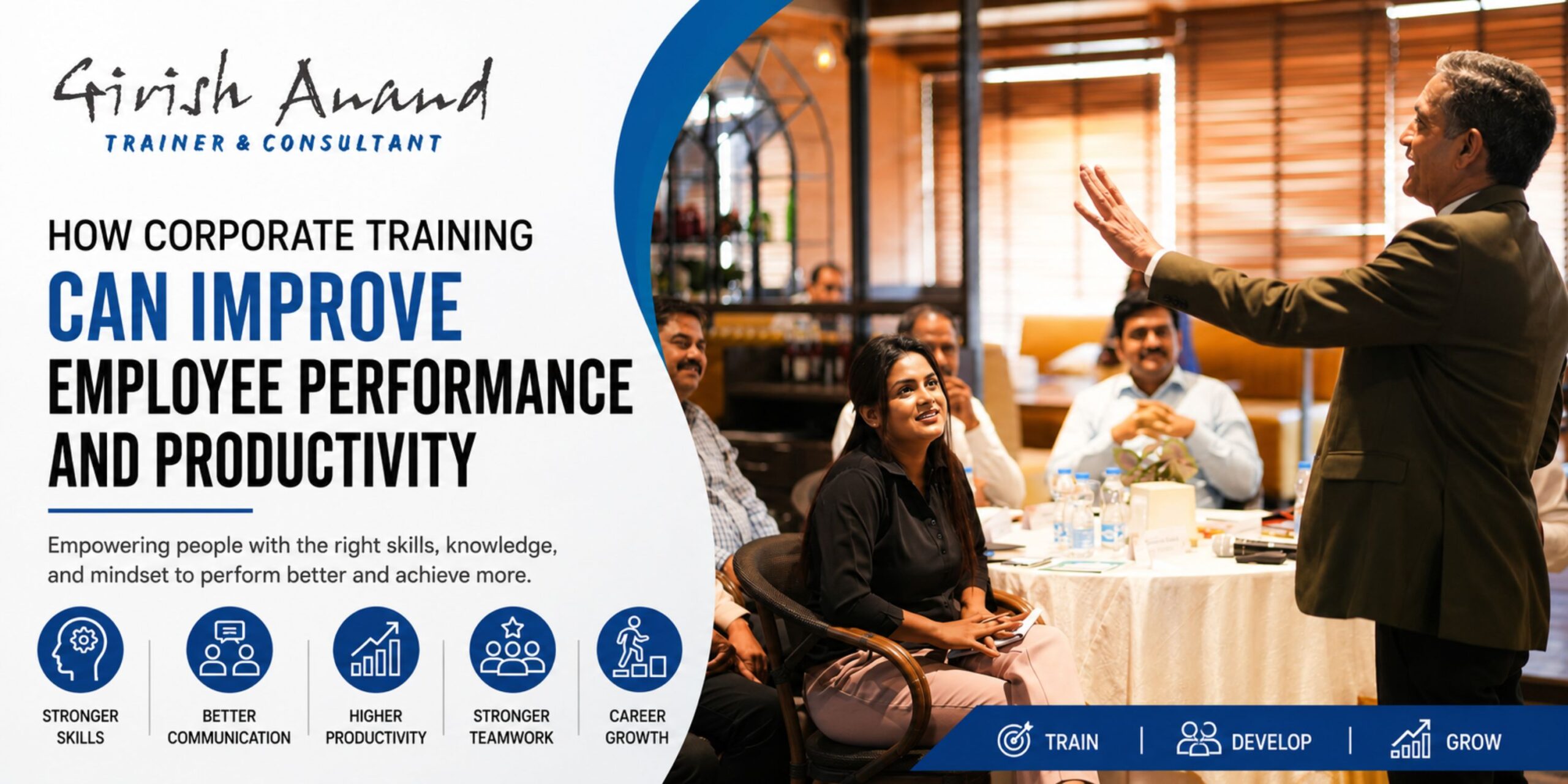
Employee performance and productivity play an important role in the success of any organisation. Businesses need employees who can perform their responsibilities effectively, communicate clearly, solve problems, adapt to changes, and work well with others. While hiring skilled professionals is important, continuous learning and development are equally valuable for maintaining strong performance.
This is where corporate training can make a meaningful difference. Well-planned training programs help employees strengthen their existing skills, learn new capabilities, understand workplace expectations, and become more confident in their roles.
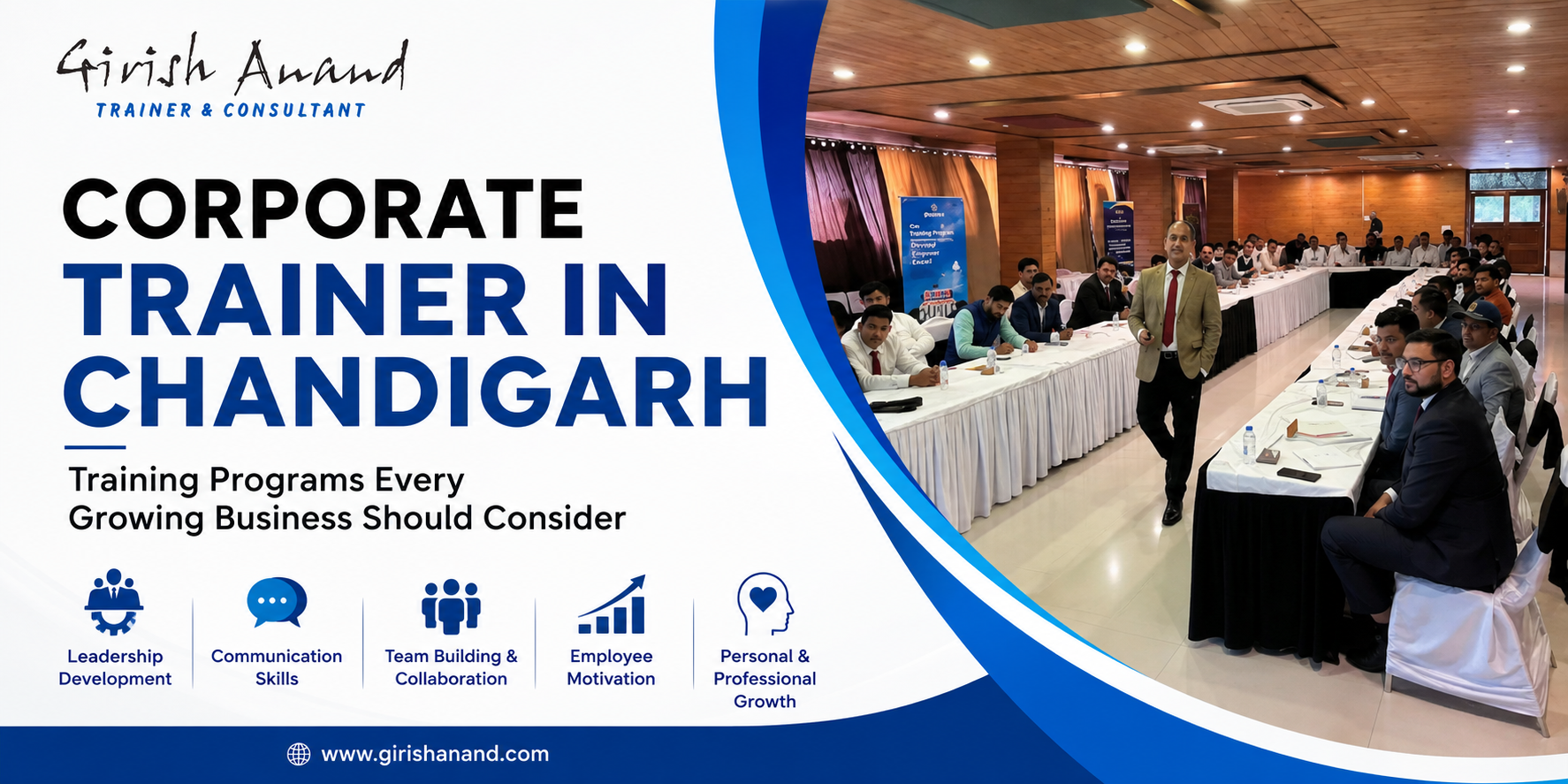
For organisations looking to improve workforce capabilities, working with an experienced corporate trainer in Chandigarh can be one way to design training programs around specific employee and business requirements.
What Is Corporate Training?
Corporate training refers to structured learning and development programs designed to improve employees’ knowledge, skills, and workplace capabilities. Training can be provided to new employees, experienced professionals, managers, team leaders, or entire departments.
Depending on organisational needs, training may cover areas such as:
- Communication skills
- Leadership and management
- Teamwork and collaboration
- Time management
- Problem-solving
- Decision-making
- Emotional intelligence
- Presentation skills
- Customer service
- Technical and job-specific skills
The objective is not simply to provide information. Effective training should help employees apply what they learn in their everyday work.
How Corporate Training Improves Employee Performance
1. Develops Job-Specific Skills
Employees may have the qualifications required for their positions, but workplace responsibilities can change over time. New technologies, processes, customer expectations, and business strategies can require additional skills.
Corporate training allows employees to update their knowledge and develop capabilities relevant to their current responsibilities. This can help them complete tasks more accurately and handle workplace challenges more effectively.
2. Improves Communication
Clear communication is essential in almost every workplace. Misunderstandings between employees, managers, clients, and departments can lead to delays and mistakes.
Communication-focused training can help employees improve:
- Verbal communication
- Written communication
- Active listening
- Presentation skills
- Workplace conversations
- Professional communication
Better communication can make collaboration smoother and reduce unnecessary confusion.
3. Builds Employee Confidence
Employees who understand their responsibilities and have the skills required to perform them are often more confident in their work.
Training provides opportunities to practise skills, ask questions, receive feedback, and learn from realistic workplace situations. As employees become more familiar with different tasks and challenges, they may feel better prepared to take responsibility and make decisions.
4. Strengthens Problem-Solving Skills
Workplaces regularly present unexpected challenges. Employees may need to identify the cause of a problem, evaluate possible solutions, and decide what action to take.
Problem-solving and decision-making training can introduce employees to structured approaches for analysing situations. These skills can be particularly useful for professionals working in fast-changing environments where quick but thoughtful decisions are required.
5. Encourages Better Teamwork
Organisational performance depends not only on individual employees but also on how effectively people work together.
Team-based training can help employees understand different working styles, improve communication, build trust, and collaborate more effectively. It can also give teams opportunities to practise coordination and problem-solving in a structured environment.
How Corporate Training Can Increase Productivity
Employee performance and productivity are closely connected, but productivity is not simply about completing more work. It also involves using time, resources, and skills effectively while maintaining quality.
1. Better Time Management
Employees often manage multiple responsibilities, meetings, deadlines, and priorities. Without effective time management, important tasks can be delayed.
Training can introduce practical techniques for prioritising tasks, planning workloads, managing interruptions, and focusing on high-value activities.
2. Reduces Errors and Rework
Lack of knowledge or unclear processes can result in mistakes. Repeated errors may require additional time and resources to correct.
Role-specific training helps employees understand processes and expectations more clearly. When employees know how to perform their responsibilities correctly, organisations may be able to reduce avoidable errors and improve work quality.
3. Improves Workplace Collaboration
Productivity can suffer when departments or team members do not coordinate effectively. Employees may spend unnecessary time waiting for information, correcting misunderstandings, or duplicating work.
Training that focuses on collaboration and communication can help teams establish better ways of working together.
4. Helps Employees Adapt to Change
Businesses constantly evolve. New software, technologies, processes, customer expectations, and organisational structures can change the way employees work.
Continuous training helps employees develop an adaptable mindset and learn the skills required to work with new systems or processes. This can make organisational transitions easier to manage.
5. Supports Employee Engagement
Employees are more likely to feel valued when organisations invest in their professional development.
Training can provide employees with opportunities to learn, improve, and prepare for future responsibilities. A strong learning culture can contribute to greater engagement and encourage employees to take a more active interest in their professional growth.
Types of Corporate Training That Can Improve Productivity
Different organisations have different requirements, so training should be aligned with specific business objectives.
Leadership Training
Leadership programs can help managers and emerging leaders develop skills related to delegation, communication, decision-making, conflict management, and team development.
Communication Skills Training
These programs focus on clear workplace communication, active listening, presentations, professional conversations, and effective feedback.
Time Management Training
Employees can learn methods for prioritising responsibilities, managing deadlines, organising workloads, and reducing time-related inefficiencies.
Teamwork and Collaboration Training
These programs help employees understand collaboration, trust, accountability, coordination, and effective team communication.
Problem-Solving Training
Employees can learn structured methods for identifying problems, analysing possible causes, evaluating solutions, and making informed decisions.
Emotional Intelligence Training
Emotional intelligence can help employees understand their own emotions, recognise the emotions of others, manage workplace interactions, and respond more effectively to challenging situations.
Technical and Role-Specific Training
Employees may also require training related to software, tools, systems, industry practices, or specific job responsibilities. These programs can directly support day-to-day performance.
How to Make Corporate Training More Effective
Simply conducting training sessions does not guarantee improved performance. Organisations should consider how training is designed, delivered, and followed up.
Identify Training Needs
Before creating a program, organisations should identify the skills or performance gaps that need attention. Employee feedback, manager observations, performance data, and business objectives can help determine training priorities.
Set Clear Objectives
Training should have measurable and practical objectives. Employees should understand what they are expected to learn and how those skills can be applied in their roles.
Use Practical Examples
Employees often benefit more when training connects concepts to real workplace situations. Case studies, role-playing, simulations, group activities, and practical exercises can make learning more relevant.
Encourage Participation
Interactive training can encourage employees to ask questions, share experiences, discuss challenges, and practise new skills instead of simply listening to a presentation.
Provide Follow-Up Support
Learning should continue after the training session. Managers can reinforce new skills through feedback, practical assignments, coaching, and regular discussions.
How to Measure the Impact of Corporate Training
Businesses should evaluate whether training is producing meaningful results. Some useful indicators include:
- Improvement in employee performance
- Productivity levels
- Quality of work
- Reduction in errors
- Completion of tasks and projects
- Employee engagement
- Customer feedback
- Manager feedback
- Employee retention
- Achievement of performance goals
The most appropriate metrics depend on the purpose of the training program. For example, communication training may be evaluated through feedback and collaboration indicators, while technical training may be measured through productivity, accuracy, or task completion.
Choosing the Right Corporate Trainer in Chandigarh
Organisations considering professional training should look beyond the number of sessions offered. The right trainer should understand the organisation’s objectives, employee needs, workplace environment, and expected outcomes.
When evaluating a corporate trainer in Chandigarh, businesses can consider factors such as:
- Relevant training experience
- Understanding of corporate environments
- Industry knowledge
- Training methodology
- Interactive learning techniques
- Customisation of training programs
- Participant engagement
- Post-training support
- Ability to measure learning outcomes
A customised approach can be particularly useful because a training program designed for new employees may not be suitable for senior managers or experienced teams.
The Long-Term Value of Employee Development
Corporate training should not be viewed as a one-time activity. Employee development is most effective when it becomes part of an organisation’s long-term learning strategy.
Regular training can help employees keep their skills current, prepare for changing responsibilities, and develop capabilities for future roles. For organisations, this can create a workforce that is better prepared to respond to changing business requirements.
A strong learning culture can also support knowledge sharing. Employees who develop new skills can share their knowledge with colleagues, helping teams improve collectively.
Conclusion
Corporate training can play an important role in improving both employee performance and workplace productivity. From communication and leadership to time management, problem-solving, teamwork, and technical capabilities, the right training can help employees become more effective in their roles.
However, successful training requires more than simply organising workshops. Organisations should identify genuine skill gaps, establish clear objectives, use practical learning methods, and measure outcomes after training.
By treating employee development as an ongoing process rather than a one-time activity, businesses can create a more capable, adaptable, and engaged workforce while supporting their broader organisational goals.