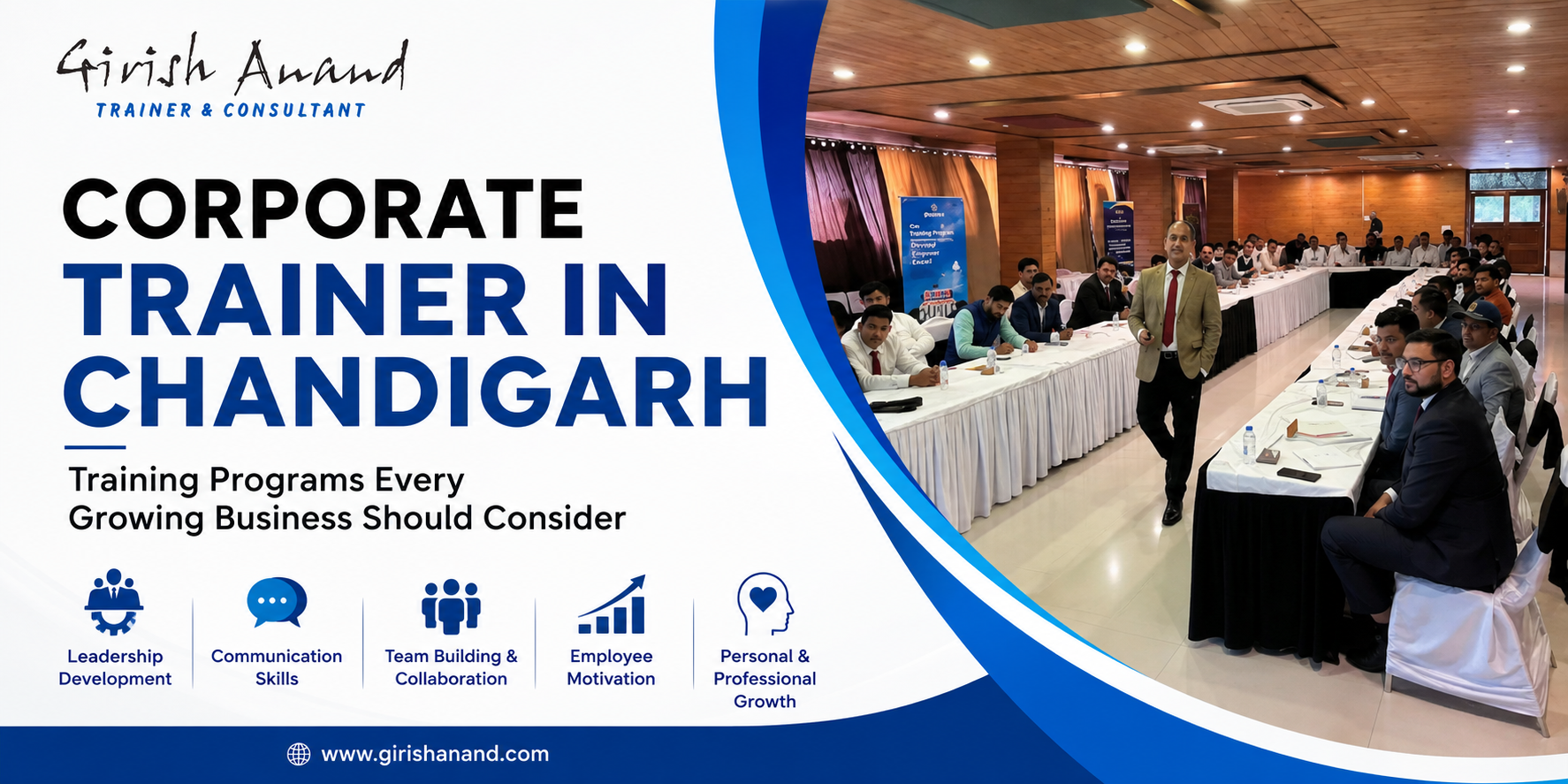
Hiring the right employees is one of the most important decisions any company can make. Big IT companies understand that a strong team is the foundation of business success. However, many organizations still struggle with poor hiring practices that lead to low productivity, weak team culture, and high employee turnover. In this insightful session, corporate trainer Girish Anand shares practical hiring secrets used by successful companies and explains how businesses can avoid common recruitment mistakes.
Why Hiring the Right Candidate Matters
Every employee plays an important role in the growth of a company. A wrong hiring decision not only wastes time and money but also affects team performance and workplace culture. Many companies focus only on technical skills during recruitment and ignore other important qualities such as communication, attitude, adaptability, and cultural fit.
Big IT companies follow a structured hiring process to ensure they select candidates who can contribute to long-term business success. They invest time in understanding the candidate’s mindset, problem-solving ability, teamwork, and willingness to learn.
Common Hiring Mistakes Companies Make
Many businesses make hiring decisions too quickly because they urgently need manpower. This often leads to poor employee performance later. Some of the most common hiring mistakes include:
1. Hiring in a Hurry
When companies rush the hiring process, they may overlook important details about a candidate’s skills and personality. Quick decisions often result in hiring employees who are not suitable for the role.
2. Ignoring Cultural Fit
A candidate may have excellent technical knowledge but still fail to work effectively within the company environment. Big IT companies always evaluate whether a person matches the organization’s culture and values.
3. Poor Candidate Evaluation
Some recruiters rely only on resumes and academic qualifications. Successful companies use multiple evaluation methods such as practical tests, behavioral interviews, and communication assessments to understand the candidate better.
4. Lack of Clear Job Expectations
If companies do not clearly define job responsibilities during recruitment, employees may feel confused after joining. This can reduce productivity and job satisfaction.
5. Focusing Only on Experience
Experience is important, but attitude and learning ability are equally valuable. Many leading companies hire candidates with growth potential rather than only years of experience.
Hiring Strategies Used by Big IT Companies
Top IT organizations use smart recruitment strategies to build high-performing teams. These strategies help them attract talented professionals and reduce employee turnover.
Structured Interview Process
Large companies follow a step-by-step interview process that includes technical evaluation, HR rounds, practical tasks, and leadership discussions. This helps them assess candidates from different perspectives.
Skill-Based Assessments
Instead of depending only on resumes, companies conduct real-world problem-solving tests to evaluate practical knowledge and analytical skills.
Behavioral Interviews
Behavioral interviews help recruiters understand how candidates react in challenging situations. Questions related to teamwork, leadership, and conflict management provide deeper insights into personality and work ethics.
Long-Term Vision
Big IT companies hire employees who can grow with the organization. They focus on learning mindset, adaptability, and future leadership potential.
Employee Referral Programs
Many successful organizations use employee referral systems because trusted employees often recommend quality candidates who fit the company culture.
Importance of Strong Recruitment Processes
A strong recruitment process helps companies improve productivity, teamwork, and employee retention. Hiring the right people creates a positive work environment where employees feel motivated and valued.
Good hiring practices also reduce training costs and improve overall business performance. Employees who match company values are more likely to stay longer and contribute effectively to organizational goals.
Tips for HR Professionals and Recruiters
If you want to improve your hiring process, consider the following tips:
- Create detailed job descriptions
- Focus on both technical and soft skills
- Use practical assessments during interviews
- Evaluate communication and teamwork abilities
- Avoid making rushed hiring decisions
- Conduct proper background verification
- Prioritize long-term employee growth
These small improvements can help companies build stronger and more productive teams.
Final Thoughts
Hiring is not just about filling positions; it is about building the future of an organization. Big IT companies understand that smart hiring decisions directly impact business growth, employee satisfaction, and workplace culture.
In this practical talk, Girish Anand shares valuable insights that can help HR professionals, recruiters, managers, and business owners avoid common hiring mistakes and improve their recruitment strategies. By focusing on the right hiring process, companies can create a successful team that drives long-term growth and innovation.
If you are interested in corporate training, leadership development, career growth, and workplace success strategies, stay connected for more insightful discussions and practical learning sessions.