Let’s be honest—how often do you feel like you’re juggling flaming swords while riding a unicycle? That’s what life can feel like without proper Work life Balance. One moment you’re replying to emails, the next you’re missing family dinners. Sound familiar?
In today’s fast-paced world, achieving a healthy work and life balance isn’t a luxury—it’s survival. Let’s break it down and figure out how you can actually make it work.
What Is Work Life Balance?
The True Meaning of Work and Life Balance
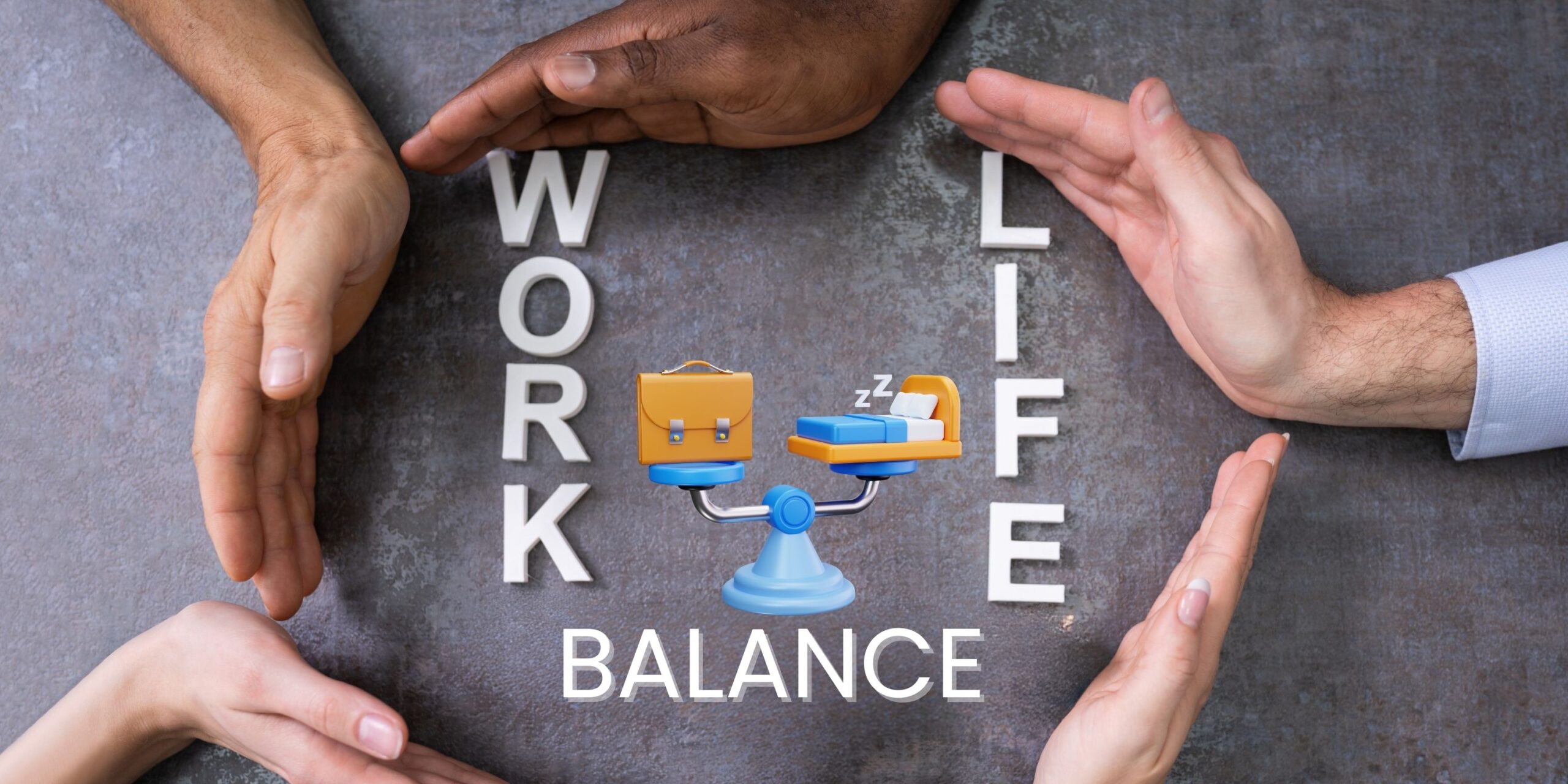
Work life balance doesn’t mean splitting your day into perfect 50-50 chunks. It’s not a math equation. It’s about harmony. It’s about making sure your career and your personal life don’t compete—they complement.
Think of it like music. If work is too loud, you can’t hear the melody of your personal life.
Why Work Life Balance Is More Than Just Time Management
Many people assume work and life balance is just about managing time. But it’s deeper than that. It’s about managing energy, priorities, and mental space.
You could leave the office at 5 PM, but if your mind is still stuck in meetings at 9 PM, are you really balanced?
Why Work Life Balance Matters More Than Ever
The Rise of Burnout Culture
We live in a hustle culture. “Sleep is for the weak.” “Grind now, shine later.” But here’s the truth—burnout isn’t a badge of honor. It’s a warning sign.
Burnout drains creativity, motivation, and happiness. And once it hits, recovery takes time.
The Impact of Poor Work and Life Balance on Mental Health
Chronic stress can lead to anxiety and depression. When work consumes your life, your mental health quietly suffers.
Have you ever felt guilty for taking a break? That’s imbalance creeping in.
Effects on Physical Health and Relationships
Poor work life balance can cause headaches, insomnia, and even heart problems. And relationships? They take a hit too.
You can’t build strong connections if you’re emotionally unavailable.
Signs Your Work Life Balance Is Out of Control
Constant Fatigue and Stress
If you wake up tired and go to bed exhausted, something’s off.
Lack of Personal Time
When was the last time you did something purely for fun?
Declining Productivity
Ironically, overworking reduces output. Your brain isn’t a machine—it needs rest.
Benefits of Maintaining a Healthy Work and Life Balance
Improved Productivity
Balanced people work smarter. They’re focused, efficient, and creative.
Better Relationships
You show up fully—for family, friends, and yourself.
Enhanced Mental Clarity
A rested mind makes better decisions. Simple as that.
Common Myths About Work Life Balance
Balance Means Equal Time
Wrong. Some days work demands more. Other days life does. Balance shifts.
Only Corporate Employees Need It
Entrepreneurs, freelancers, students—everyone needs work and life balance.
Success Requires Sacrifice
Yes, effort is necessary. But sacrificing your health and happiness? That’s not success—that’s self-sabotage.
Practical Strategies to Improve Work Life Balance
Set Clear Boundaries
Stop answering emails at midnight. Protect your personal time like it’s a meeting with your CEO—because it is.
Learn to Say No
Every “yes” to something unimportant is a “no” to something meaningful.
Prioritize What Truly Matters
Ask yourself: Will this matter in five years?
Use Technology Wisely
Technology should serve you—not enslave you. Turn off unnecessary notifications.
Work Life Balance for Remote Workers
Creating a Dedicated Workspace
Your bed isn’t your office. Separate spaces help separate mindsets.
Avoiding Overwork at Home
When home becomes office, boundaries blur. Set fixed working hours.
Work and Life Balance for Entrepreneurs
Delegation Is Power
You don’t have to do everything. Outsource. Automate. Delegate.
Scheduling Downtime
Put relaxation on your calendar. Yes, literally schedule it.
How Employers Can Promote Work Life Balance
Flexible Work Policies
Flexible hours increase employee satisfaction and productivity.
Encouraging Time Off
Vacations aren’t laziness—they’re maintenance.
The Role of Self-Care in Work and Life Balance
Physical Health
Exercise, nutrition, sleep—these are foundations, not luxuries.
Mental and Emotional Well-Being
Meditation, journaling, hobbies—these recharge your internal battery.
Time Management vs. Energy Management
Understanding Energy Cycles
You have peak productivity hours. Identify them and schedule important tasks accordingly.
Working Smarter, Not Longer
Eight focused hours beat twelve distracted ones.
Building a Long-Term Work Life Balance Plan
Setting Realistic Goals
Don’t aim for perfection. Aim for progress.
Regular Self-Assessment
Check in with yourself monthly. Are you feeling fulfilled or drained?
Conclusion
Work life balance isn’t a destination—it’s a journey. Some weeks you’ll nail it. Others you won’t. And that’s okay.
The goal isn’t perfection. It’s awareness.
When you start valuing your time, energy, and well-being, everything changes. Your work improves. Your relationships deepen. Your health strengthens.
At the end of the day, what’s the point of success if you’re too exhausted to enjoy it?
Balance isn’t about doing less—it’s about living more.
FAQs
1. What is the ideal work life balance ratio?
There’s no fixed ratio. Balance depends on your priorities, career stage, and personal goals.
2. Can work life balance increase productivity?
Yes. A well-rested and mentally refreshed person performs better and makes fewer mistakes.
3. How can I improve work and life balance while working from home?
Create a dedicated workspace, set clear working hours, and disconnect after work.
4. Is work life balance possible for entrepreneurs?
Absolutely. With delegation, planning, and boundaries, entrepreneurs can maintain balance.
5. Why do people struggle with work life balance?
Common reasons include poor boundaries, fear of missing opportunities, and workplace pressure.